Irving's Mold Prevention Treatment Specialists
Stop Moisture Before Mold Gets Started
Drying, cleaning, and proper licensing matter once wet materials sit longer than a day.
Irving's Mold Prevention Treatment Specialists
Drying, cleaning, and proper licensing matter once wet materials sit longer than a day.
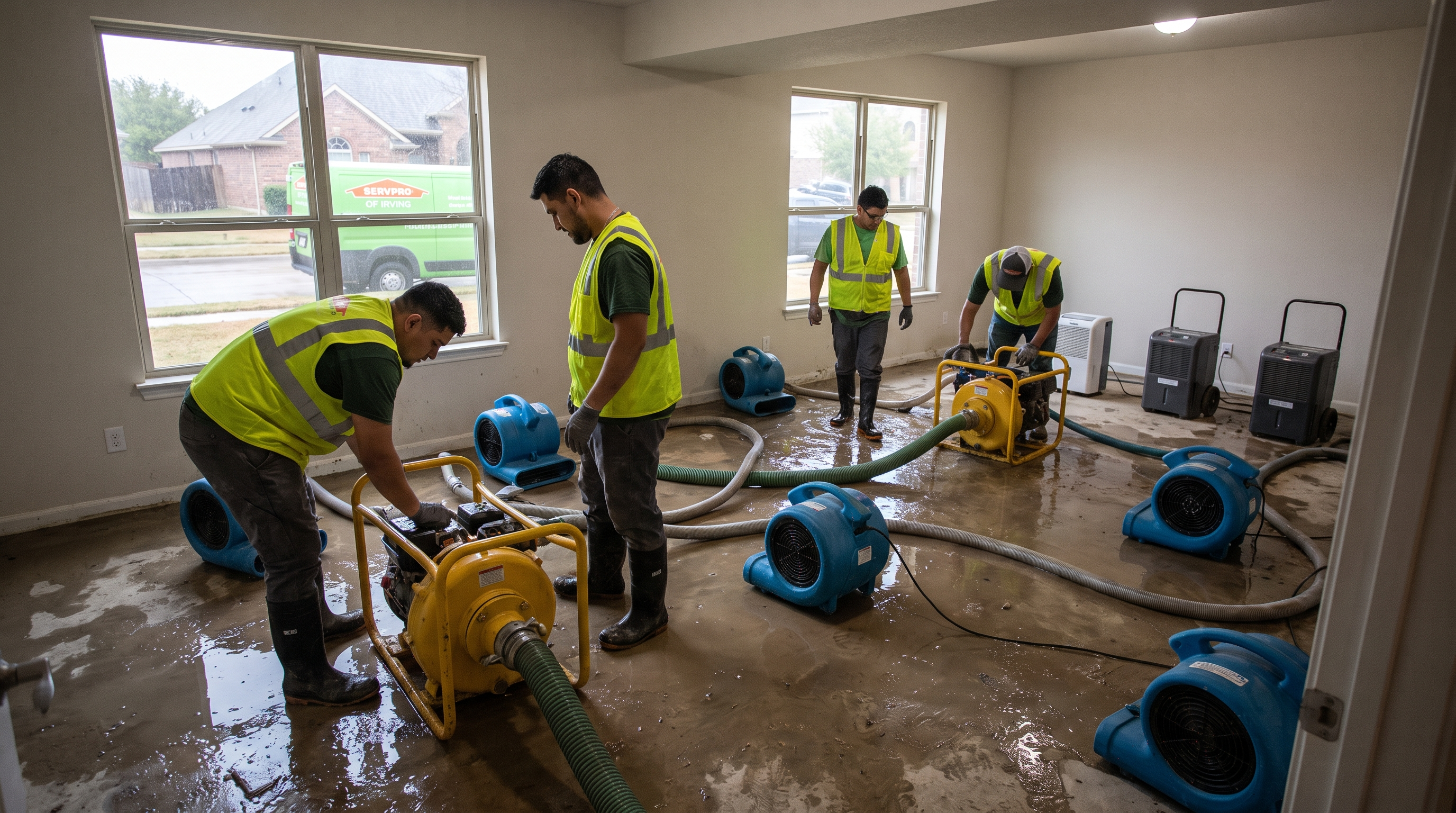
Mold prevention after water damage is mostly about speed and moisture control. Drywall, insulation, carpet pad, cabinet bases, and wood framing can hold water even after extraction. If moisture stays trapped for 24 to 48 hours, the risk changes.
Irving's slab homes create common moisture pockets behind baseboards, under laminate, below cabinets, and around exterior wall plumbing. Roof leaks after thunderstorms can also wet attic insulation or ceiling cavities. Those areas need readings, airflow, and sometimes selective removal to prevent a small loss from turning into a mold project.
Antimicrobial treatment can help when used on the right surfaces after cleaning and drying work begins. It is not a substitute for removing saturated porous materials, stopping the source, or drying the structure. If visible mold is present, Texas law may require a licensed mold assessment and licensed remediation work under Occupations Code Chapter 1958.
Irving Water Damage Restoration connects callers with contractors who can separate routine prevention from regulated mold work. That distinction protects the homeowner and keeps the scope honest.
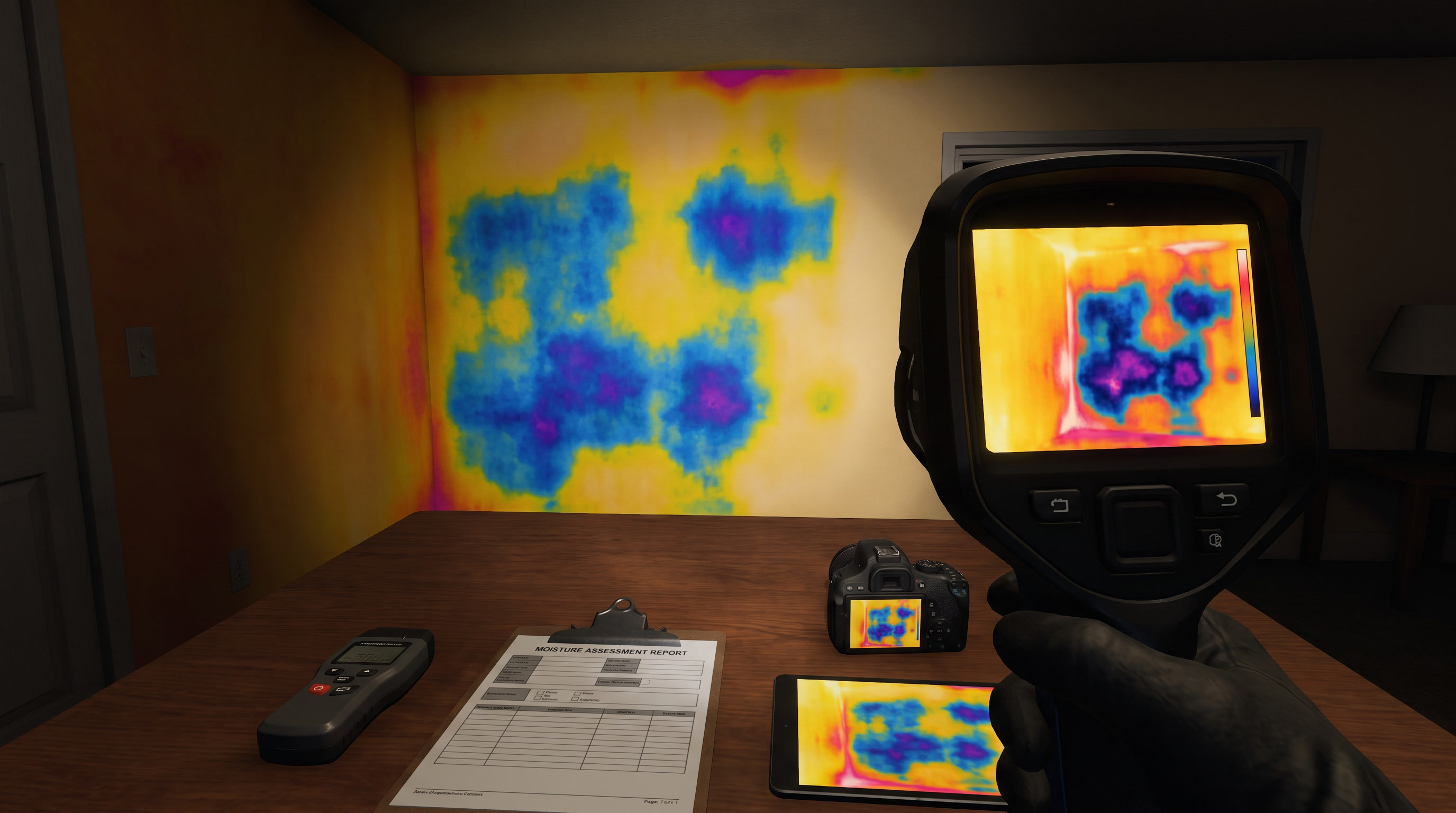
Mold prevention focuses on moisture removal, surface cleaning, material decisions, and licensed escalation when Texas rules require it.
The contractor confirms the leak has stopped and identifies wet materials that can keep feeding growth. Prevention fails if water continues entering from a pipe, roof, appliance, or exterior opening.
Approved antimicrobial products may be applied to cleaned surfaces where they fit the material and water category. Contractors should not spray over dirt, sewage, saturated drywall, or visible mold and call the job finished.
If visible mold, heavy odor, or suspected contamination appears, the job may need a Texas-licensed mold assessor or remediation contractor. Assessment, remediation, and clearance have rules that routine drying work does not replace.
A dry surface can still hide wet backing materials. Contractors need readings and drying logs before prevention work can be trusted.
Mold rules in Texas are specific. The service helps property owners connect with contractors who know when prevention is enough and when licensed mold assessment or remediation is needed.
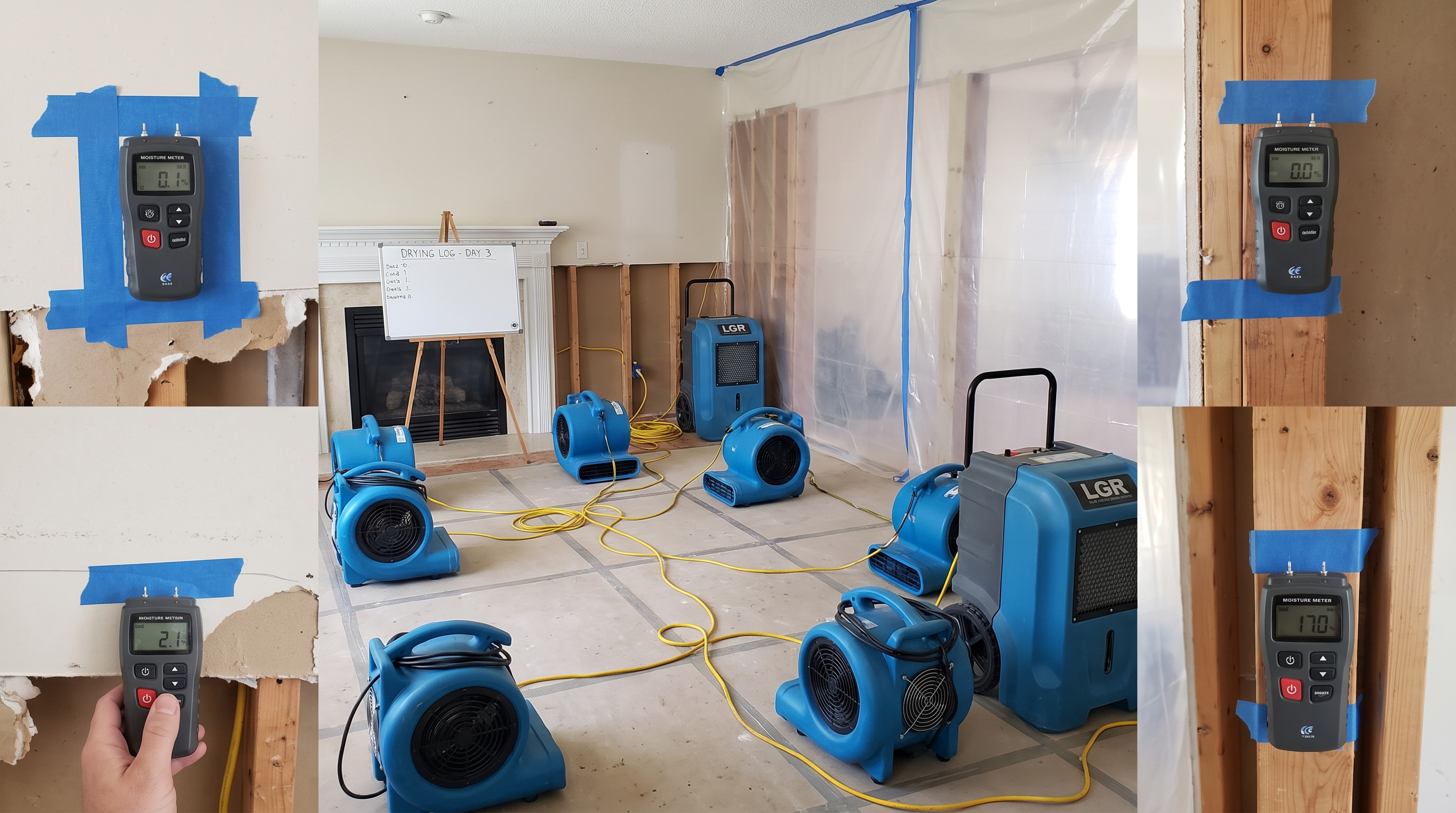
Ask for mold prevention before wet materials sit for another day.
Free — no obligations
The contractor checks whether the water source is stopped and maps materials that remain wet.
Contaminated or unsalvageable materials are identified, and salvageable surfaces are cleaned before treatment.
Drying equipment runs while appropriate antimicrobial products are applied to suitable surfaces.
If mold is visible or suspected, the contractor explains whether Texas-licensed assessment or remediation is required.