Irving's Basement Flood Cleanup Specialists
Flood Cleanup for Irving Lower Spaces
Whether the water is in a rare basement, garage, or slab-level room, fast extraction and source documentation matter.
Irving's Basement Flood Cleanup Specialists
Whether the water is in a rare basement, garage, or slab-level room, fast extraction and source documentation matter.
Most Irving homes do not have basements. North Texas slab construction means homeowners who say basement flood often mean a sunken room, garage, lower commercial space, apartment storage area, or water spread across the main slab. The response still starts with source identification and extraction.
True below-grade spaces do exist in some commercial buildings, parking areas, and unusual residential layouts. Those spaces can take water from plumbing failures, roof drains, storm runoff, or exterior flooding. Heavy rain around Joe Pool Creek and Bear Creek can also push water toward low entries, garages, and ground-floor units.
Floodwater must be treated differently from a clean pipe burst. Outdoor water can carry silt, bacteria, pesticides, and debris, and it may require separate NFIP flood insurance rather than a standard homeowner water claim. A contractor should document whether the water came from inside plumbing or outside rising water.
Irving Water Damage Restoration connects callers with contractors who can extract water from lower spaces, remove contaminated materials, dry structural components, and explain when the cleanup fits standard water mitigation versus flood or sewage protocols.

Basement flood cleanup in Irving focuses on accurate source classification, water removal, contamination control, and drying for lower or slab-level spaces.
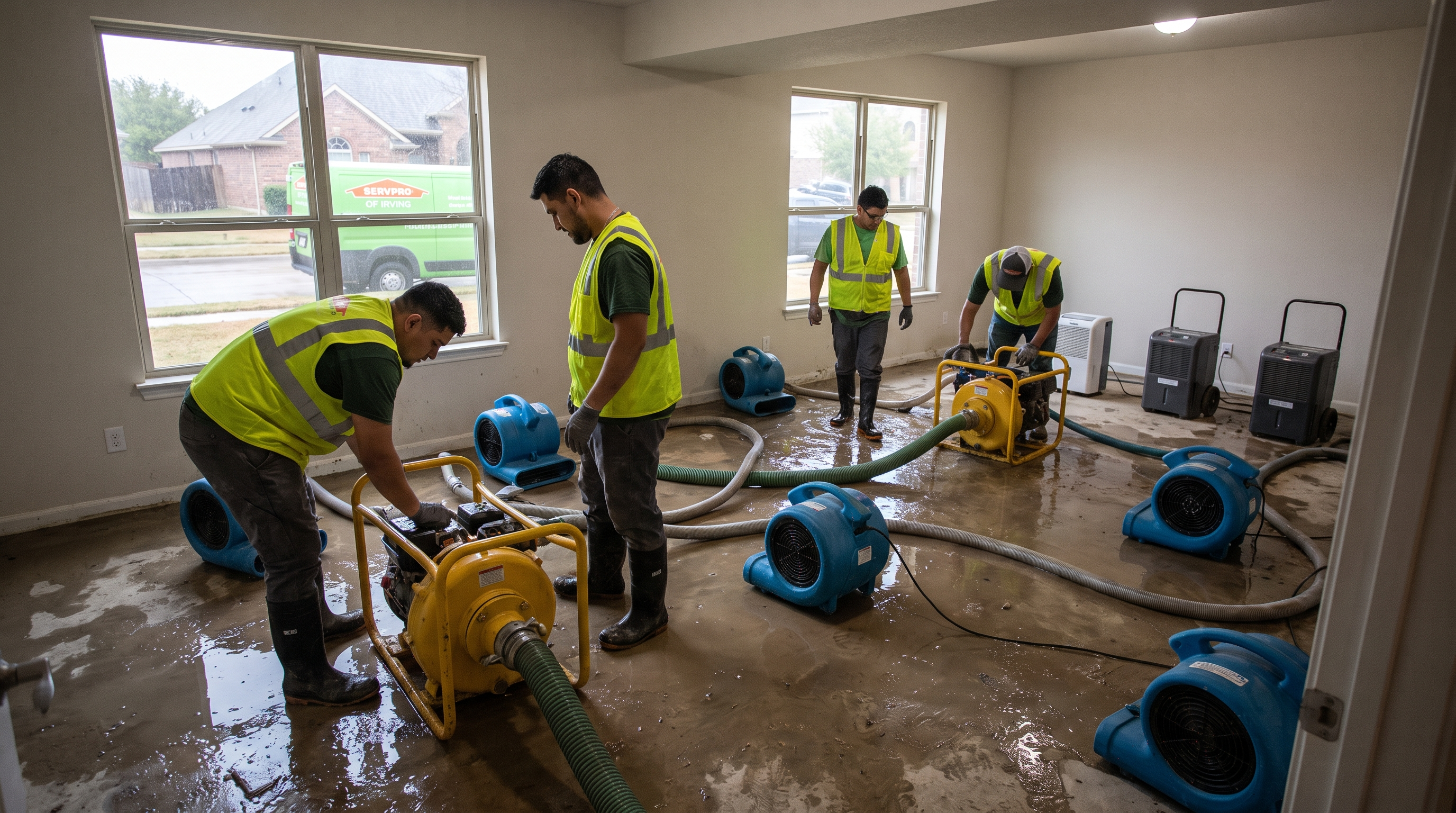
Crews remove water from basements where they exist, along with garages, storage rooms, commercial lower levels, and slab-level rooms. They check connected areas because water can move under walls and along concrete.
The contractor identifies whether the water came from a pipe, roof drain, storm runoff, creek flooding, sewer backup, or appliance failure. That decision affects cleanup method, safety rules, and insurance handling.
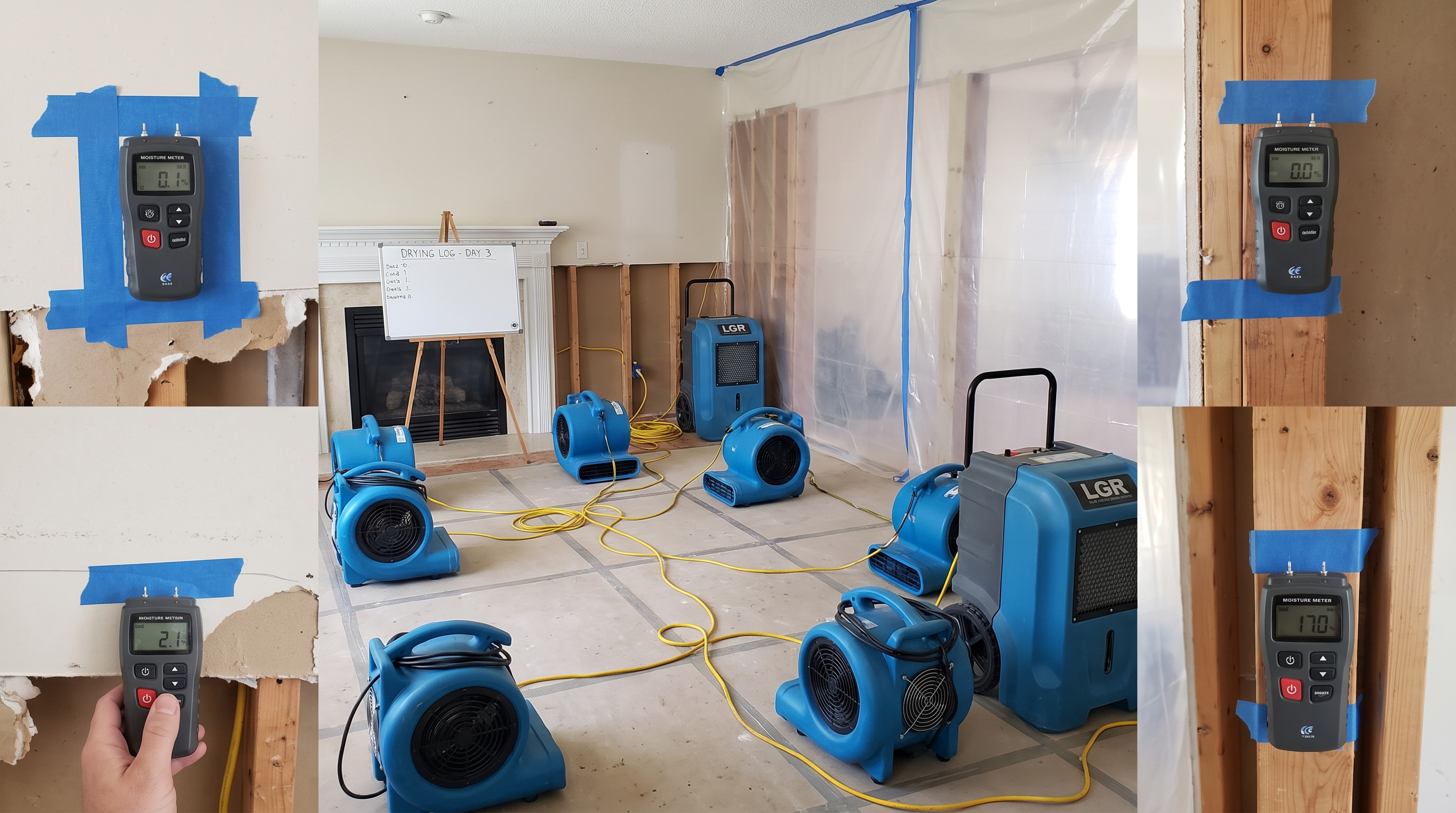
Wet drywall, insulation, flooring, trim, stored contents, and porous materials may need removal or special handling. Drying then targets concrete edges, wall bases, framing, and remaining salvageable surfaces.
Irving is mostly slab-on-grade, so the contractor needs to understand what the caller actually means by basement flood. That prevents the wrong crew, equipment, or insurance assumption.
A burst pipe and outside stormwater are not the same cleanup or claim. Contractors should document the source before removing materials or describing the loss to the carrier.
Request cleanup for any lower-level or slab-level flooding before contamination spreads.
Free — no obligations
The contractor identifies the affected lower area and confirms whether the water came from plumbing, roof drainage, sewage, or exterior flooding.
Standing water is removed, and contaminated or unsafe areas are isolated before materials are disturbed.
Wet contents, flooring, drywall, insulation, trim, and stored items are sorted for drying, cleaning, disposal, or claim documentation.
Equipment is placed to dry salvageable materials, and the contractor explains any flood, sewage, mold, or repair issues that remain.