Serving Irving & Dallas County, TX
Fast Water Damage Help for Irving Properties
Request a free estimate quickly so extraction, drying, and documentation can start before moisture spreads.
Serving Irving & Dallas County, TX
Request a free estimate quickly so extraction, drying, and documentation can start before moisture spreads.
Most Irving homes sit on slab foundations, so water damage usually does not collect in a basement. It spreads across flooring, runs under baseboards, wicks into drywall, and hides below cabinets. Burst supply lines, water heater failures, washing machine leaks, refrigerator icemaker lines, and roof leaks after DFW storms create many of the calls property owners face here.
Winter Storm Uri in February 2021 showed how vulnerable North Texas construction can be when pipes are not insulated for sustained freezing. Irving properties took damage from pipes in walls, attics, garages, and crawl spaces. A freeze break can soak insulation and framing before water ever appears in the living area.
Storm season brings another pattern. Wind and hail can open roof paths, heavy rain can push water around doors and windows, and low areas near Joe Pool Creek or Bear Creek can see flooding during intense downpours. Standard homeowner policies usually treat floodwater differently from sudden interior water damage, so documenting the source matters.
Irving Water Damage Restoration connects property owners with licensed contractors who can extract water, follow IICRC S500 drying standards, track moisture readings, and help document the loss. If mold is suspected, Texas law requires proper mold assessment and remediation licensing under Texas Occupations Code Chapter 1958.
Water mitigation in Irving has to match local building conditions. Slab homes need careful moisture tracing along base plates, flooring seams, cabinets, and wall cavities. Las Colinas properties may involve apartment stack plumbing, commercial suites, elevators, shared walls, and management coordination that can slow a job if no one documents the damage early.
Insurance timing matters too. Many Dallas County water damage claims fall between $8,000 and $20,000, and Texas Insurance Code Chapter 542 requires carriers to acknowledge a claim within 15 days. That deadline does not mean the property should sit wet. Photos, moisture logs, equipment records, and a clear source description help the claim while mitigation protects the structure.
More about us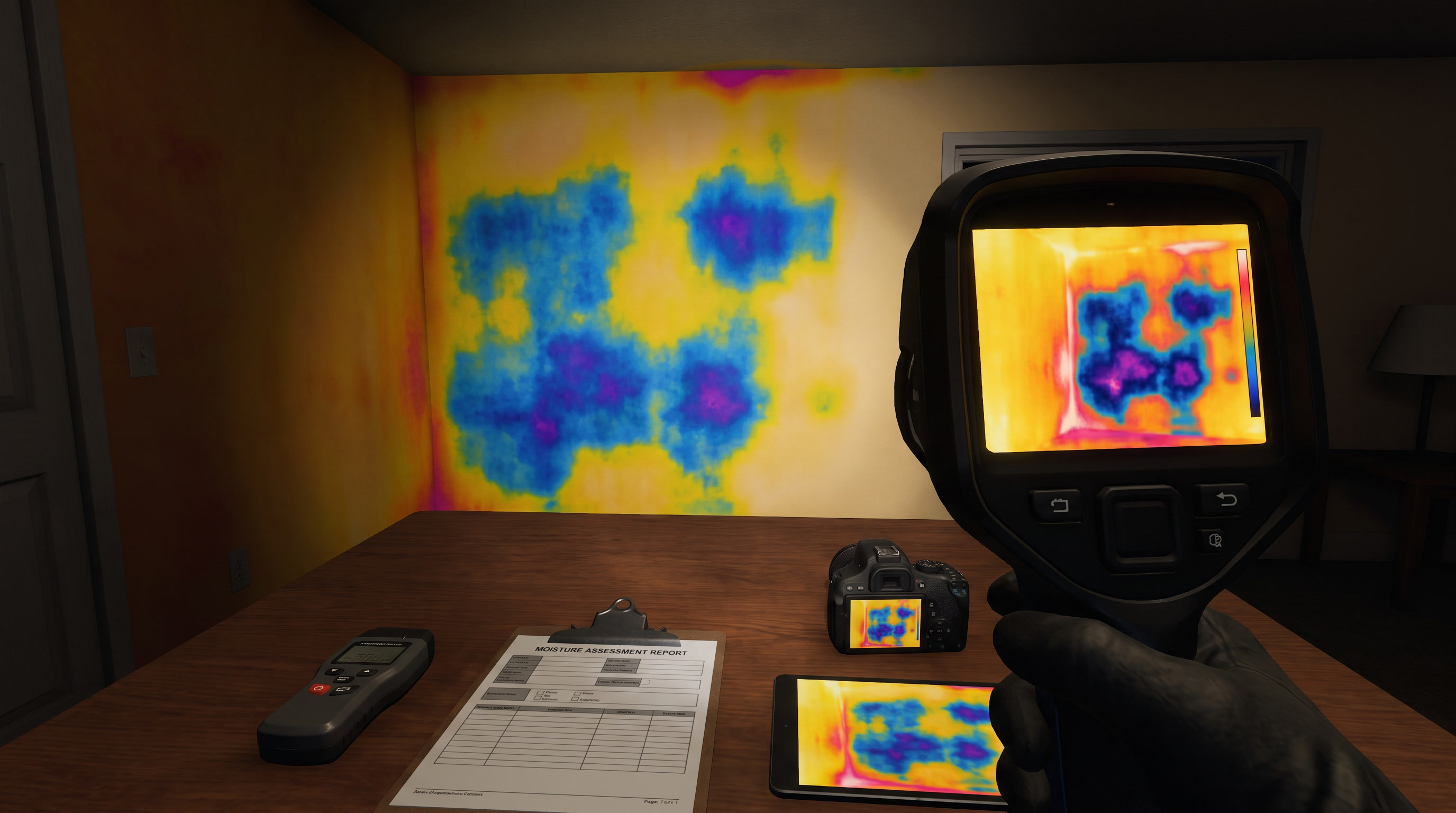
Water damage in Irving often starts with a sudden plumbing, appliance, roof, or sewage event. These services cover the first response, drying, contamination control, contents work, and follow-up protection needed after the leak is stopped.
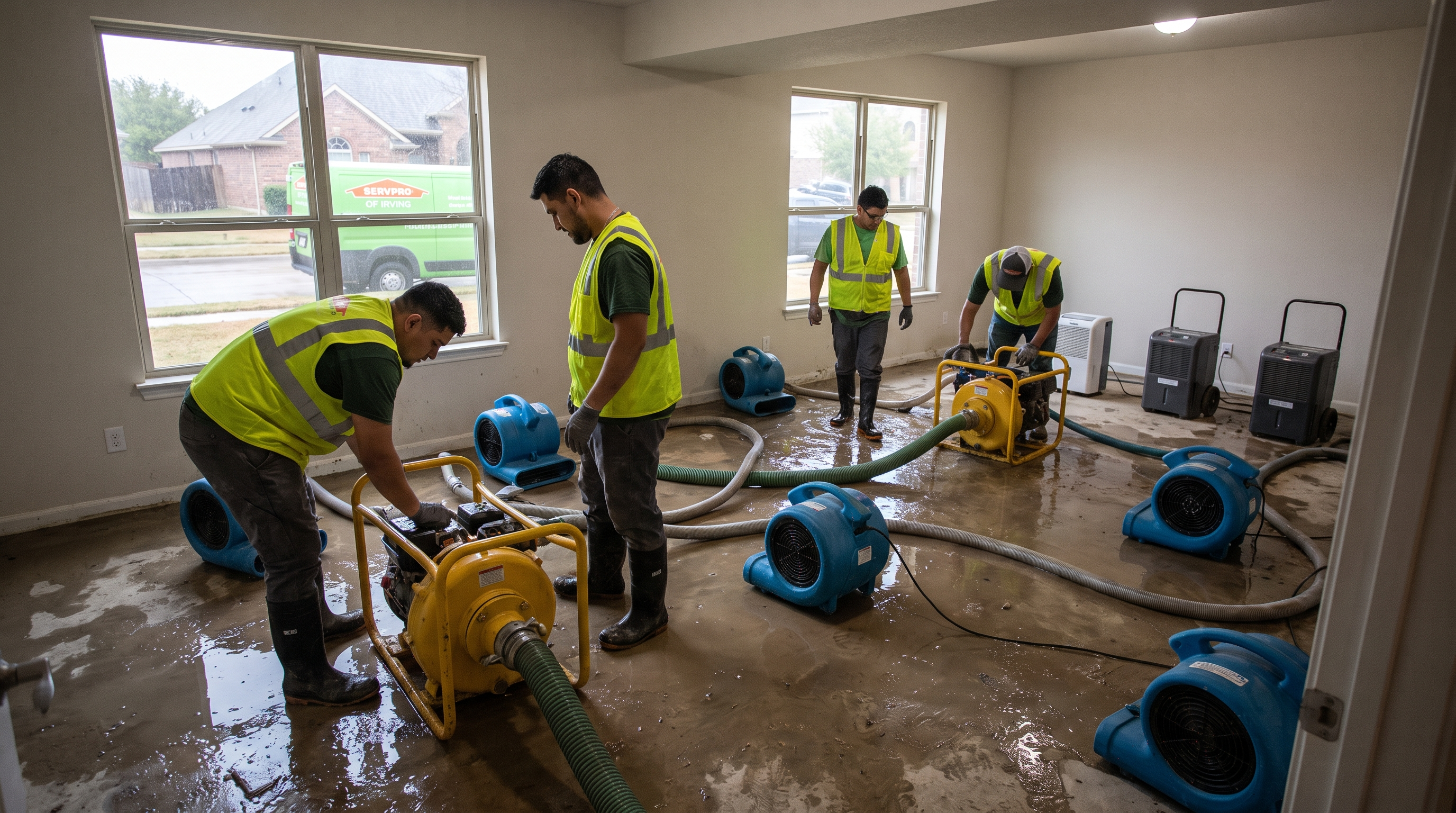
Fast extraction removes standing water from floors, cabinets, walls, and affected rooms before the damage spreads deeper.
Learn more →Structural drying uses moisture mapping, air movement, dehumidification, and monitoring to dry hidden materials after water extraction.
Learn more →Mold prevention treatment reduces the chance of growth after water damage by controlling moisture, removing wet materials, and applying antimicrobial products where appropriate.
Learn more →Content restoration inventories, dries, cleans, packs out, stores, and returns belongings affected by water, sewage, or storm leaks.
Learn more →Sewage cleanup removes contaminated water, damaged porous materials, and bacteria risk after toilet overflows, drain backups, or sewer line failures.
Learn more →Basement flood cleanup support is available for rare below-grade spaces, commercial lower levels, garages, and slab-home flood conditions in the Irving area.
Learn more →Irving Water Damage Restoration serves Irving and nearby communities across the DFW mid-cities area, including Grand Prairie, Coppell, Las Colinas, Arlington, and Euless. The service area includes older slab-on-grade neighborhoods, newer planned communities, dense apartment corridors, office properties, and storm-exposed homes around Dallas County and nearby Tarrant County.
A roof leak in Grand Prairie, a burst attic pipe in Coppell, a high-rise plumbing leak in Las Colinas, an appliance flood in Arlington, and a sewage backup in Euless each need a different response. The common thread is fast source documentation, extraction, drying, and licensed help when contamination or mold risk enters the scope.
See all service areas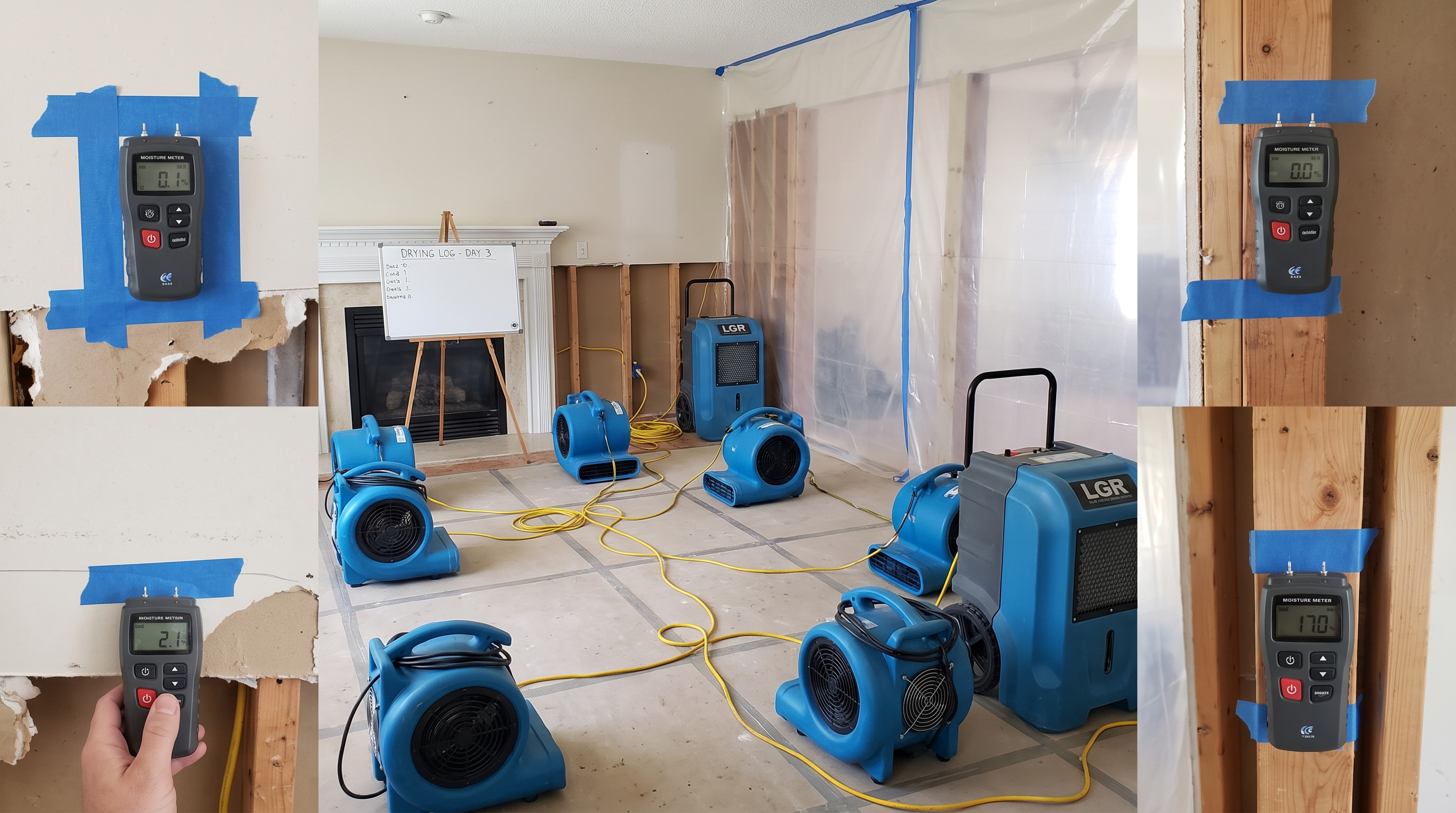
Irving water losses often move sideways across the slab before anyone sees the full path. Contractors connected through the service check baseboards, cabinet bases, flooring edges, drywall, and adjacent rooms instead of stopping at the visible puddle.
Proper drying means measuring moisture, setting the right air movement and dehumidification, and confirming materials have reached target levels. IICRC S500 gives contractors a standard for drying decisions instead of guessing from surface appearance.
A sudden pipe burst, appliance failure, or storm roof leak needs a clean record before cleanup changes the scene. Photos, source notes, moisture readings, and equipment logs help Dallas County homeowners explain the loss to the carrier.
Moisture left in walls or flooring can become a mold issue within 24 to 48 hours. If visible mold or suspected contamination is present, Texas licensing rules under Occupations Code Chapter 1958 affect who can assess, remediate, and clear the work.
The common sources are burst supply lines, failed appliances, water heaters, refrigerator icemaker lines, roof leaks, and freeze breaks in attics or wall cavities. Because most Irving homes do not have basements, water usually spreads across flooring and into drywall rather than draining below the living space.
Many Dallas County water damage claims fall between $8,000 and $20,000, depending on the source, rooms affected, flooring type, drying time, and whether demolition or mold-related work is needed. Your actual cost depends on the deductible, policy language, and how quickly mitigation starts.
No. Take photos and video first, stop the source if you can, then begin mitigation. Texas carriers must acknowledge claims within 15 days under Chapter 542, but wet drywall, flooring, and cabinets can deteriorate while everyone waits.
Extraction can often happen the same day. Drying commonly takes 3 to 5 days, but materials, humidity, temperature, and access can change the timeline. Contractors should use moisture meters and drying logs rather than declaring a room dry by sight.
Routine water mitigation does not automatically mean a mold remediation job. If visible mold is present or mold remediation is required, Texas Occupations Code Chapter 1958 sets licensing rules for assessment and remediation. A contractor should explain when the job crosses that line.

Free estimate. No obligation. Start before hidden moisture turns into a bigger repair.
Free — no obligations